Veterinarians On Scene
Steady guidance and field care during critical animal events
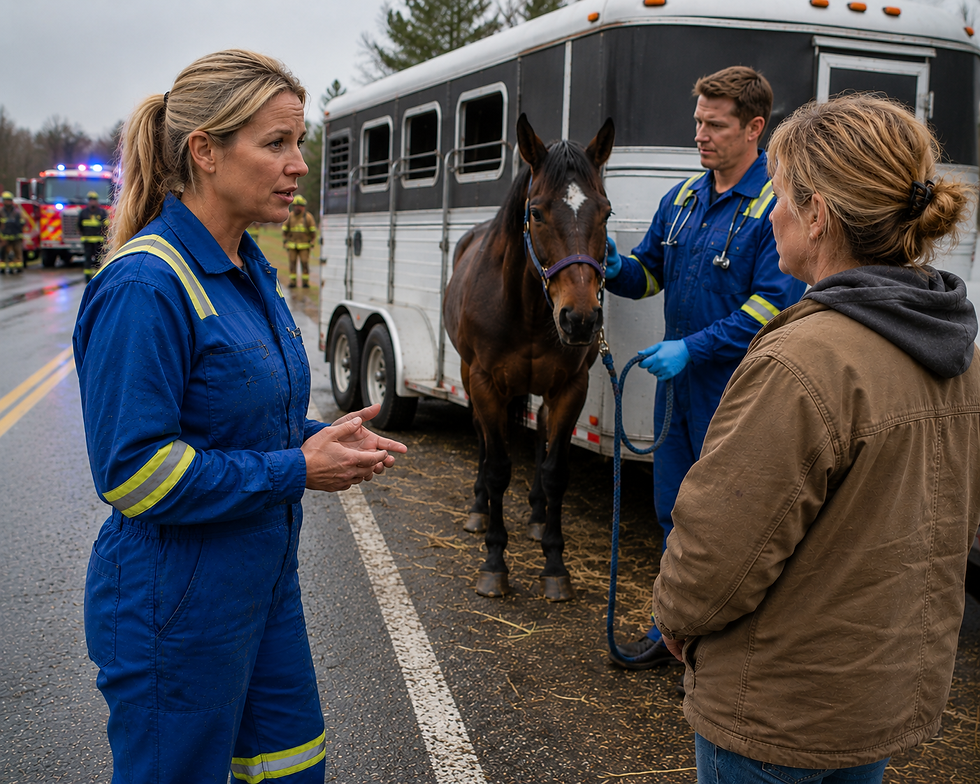
The First Responders’ Veterinary Network (FRVN) is a 501(c)(3) nonprofit that activates volunteer veterinary professionals to provide rapid, mobile aid to emergency crews managing pets and livestock. Our objective is to facilitate on-site stabilization and clinical care for injured animals through our network partners, reducing distress and improving safety for both citizens and rescue personnel. By integrating independent veterinary specialists into local response frameworks like ICS/NIMS, we support fire, EMS, and police departments. We clarify the path from chaos to humane results, boosting responder security and community resilience. For details, contact info@frvn.org to see how our network of volunteer veterinary practitioners improves scene management and animal welfare during high-stakes incidents throughout the nation.

FRVN Roles in Emergency Response
FRVN facilitates immediate field care during animal crises. Our goal involves supporting first responders with animal hazards while providing access to volunteer medical expertise for animals whenever feasible.
When agencies activate our network, our disaster-trained volunteer veterinary teams can assist by doing:
-
Assessing injured or stressed animals in the field
Providing vital medical stabilization via network partners
Advising on the safe handling and transit of animals
Consulting incident command on technical rescue routes
Supporting ethical choices during fire or farm disasters
Our network focuses on safety and empathy within the high-pressure world of emergency operations.
Emergency Action Protocols

Out of Scope for FRVN
FRVN does not function as:
-
A standard animal shelter or rescue group
A replacement for a primary care veterinary clinic
A commercial boarding or animal hauling business
An entity acting without first responder dispatch
FRVN works with emergency staff and owners to define recovery plans once the volunteer network partners have helped mitigate the immediate dangers on site.

Value for Every Animal Owner
Utilizing independent veterinary experts during a crisis usually leads to:
-
Higher scene efficiencyFaster rescue workflows
Decreased risk to humans and animals
Clear communication regarding health status and the resulting clinical requirements
This model ensures that medical choices are led by a licensed volunteer doctor rather than through guesswork.

Agricultural & Rural Events
Rural sites involve unique hazards with livestock. Our network of volunteer vets knows these environments; contact us at info@frvn.org for agricultural support info.
-
Advising on large-animal safety steps
Developing containment plans for livestock
Protecting farm workers and responders during hazardous agricultural emergency calls
Preparedness Phase
Coming Soon: Register your care consent and insurance data to help our network partners provide a faster response, whether an incident occurs in your private vehicle or on your home property.
Expectations for the Animal Owner
Every event is different; safety may sometimes preclude a rescue. When FRVN is called, we provide technical advice through our network to offer calm in chaos. Email info@frvn.org for specific follow-up inquiries.
Active Incident Phase
- Professional triage by volunteer specialistsEthical clinical guidance and decision-makingTotal focus on human and animal life safetySensitivity for owners during their most difficult and stressful moments
Post-Incident Phase
Once the scene is safe, FRVN helps command staff organize these critical next transitions:
- Planning for the return of pets to ownersTransferring care to local private clinicsOutreach to your personal veterinarian
Serving our Neighbors
Public servants established FRVN to aid our communities. We cherish the human-animal bond and know the pressure crews face when animals are caught in life-threatening situations.